

Screen Printing vs. Iron On Transfers for T-Shirts
Size of order, durability, detailing, and labor costs are among the most important factors when choosing between iron on transfer and screen printing.
Summary:
– Screen printing embeds ink into fabric for durability and bulk efficiency.
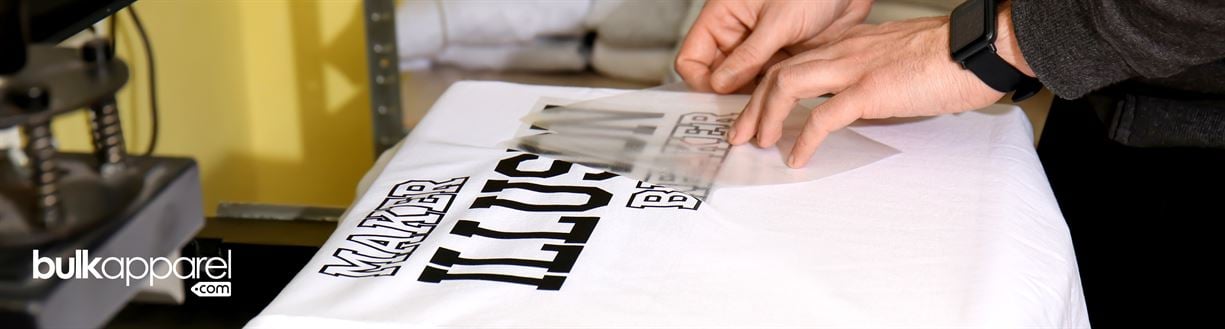
– Iron on transfers use heat application and are suitable for small runs.
– Method selection depends on quantity, budget, equipment, and longevity requirements.
FAQ
What is the difference between screen printing and iron on transfers?
Screen printing uses mesh screens to apply ink directly onto fabric, while iron on transfers use heat and pressure to adhere a printed design onto a tshirt. Screen printing embeds ink into fibers, whereas transfers sit on the fabric surface.
Which method lasts longer on tshirts?
Screen printing typically lasts longer because the ink bonds with the fabric fibers during curing. Iron on transfers may crack or peel over time, especially after repeated washing.
Are iron on transfers good for small runs?
Iron on transfers are suitable for small runs or one off designs because they require minimal setup. This method is often used for personalized gifts or limited batches.
Do both methods work on cotton tshirts?
Both screen printing and iron on transfers can be used on cotton tshirts. Cotton provides a smooth surface for ink absorption and effective heat transfer adhesion.
How do I choose between screen printing and iron on transfers?
You can choose between screen printing and iron on transfers by considering order size, budget, durability needs, and available equipment. Large scale production favors screen printing, while short runs may favor transfers.