
Wholesale Shirt Printing That Lasts from First Wear to Final Wash
Wholesale shirt printing plays a critical role in how blank apparel performs over time. A blank shirt may look sharp when it leaves production, but durability determines whether it still represents the brand months later. Prints that fade, crack, or peel too quickly reduce garment value and customer confidence.
Wholesale shirt printing plays a critical role in how blank apparel performs over time. A blank shirt may look sharp when it leaves production, but durability determines whether it still represents the brand months later. Prints that fade, crack, or peel too quickly reduce garment value and customer confidence.
This matters even more in wholesale blank apparel programs. Shirts wholesale are worn often, washed frequently, and used in real environments. At the same time, not every order has the same goal. Some projects require flexibility and fast turnaround. Others demand consistency at scale.
This guide explains which printing methods last the longest while also showing how order size affects method choice. It uses real-world logic and proven garment examples commonly sourced through BulkApparel. The objective is clarity, better planning, and results that hold up from first wear to final wash.
Why durability should guide printing decisions
Durability is more than a quality check. It directly impacts reorders, customer satisfaction, and brand credibility. When a print fails early, the garment becomes disposable instead of dependable.
Most wholesale activewear programs rely on basic apparel designed for repeat use. These garments must withstand movement, friction, and regular laundering. Choosing a printing method without considering durability increases the risk of premature wear.
Three elements influence longevity. The first is the printing method. The second is fabric composition and weight. The third is how the garment is worn and cared for. When these factors align, wholesale shirt printing becomes more efficient and predictable.
Wholesale shirt printing choices for scale and longevity
Screen printing, DTG, and heat-based methods all serve different production needs. Understanding how they perform under real conditions helps avoid mismatches between expectations and outcomes.
Order size often determines which method makes sense. Bulk runs benefit from processes that spread setup costs efficiently. Small batches favor flexibility. However, durability should never be ignored, regardless of scale.
Screen printing for bulk orders and maximum longevity
Screen printing remains the most durable option available for wholesale production. The process pushes ink through stencils and deposits it directly onto fabric in layered passes. Once cured, the ink bonds tightly with the fibers.
This creates thick, resilient prints that resist cracking and fading after repeated washing. Because setup is required, screen printing performs best for bulk order printing where volume offsets initial costs.
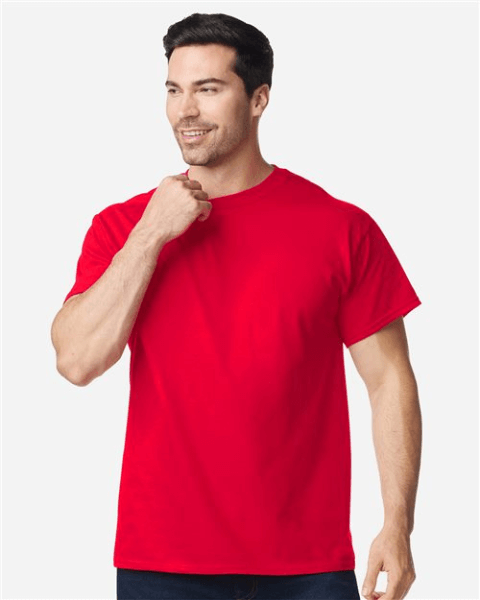
A proven example for this method is G500 Gildan T-Shirt 5000 Heavy Cotton 5.3oz. Its heavyweight cotton structure provides an ideal surface for ink adhesion. The fabric supports bold graphics and consistent coverage, making it a long-standing favorite for bulk programs.
Screen printing excels when consistency matters. Large runs benefit from uniform output, predictable color, and exceptional durability. For long-term wholesale programs, this method remains the benchmark.
Direct-to-garment printing for small batches and detail
Direct-to-garment printing applies ink directly to the fabric using digital printers. This method shines when artwork complexity and color variation matter more than volume.
DTG works best for small batch printing, limited releases, and test drops. It allows one-off production without screens or setup, reducing upfront costs. While DTG prints are durable, they generally do not outlast screen printing on heavyweight cotton.
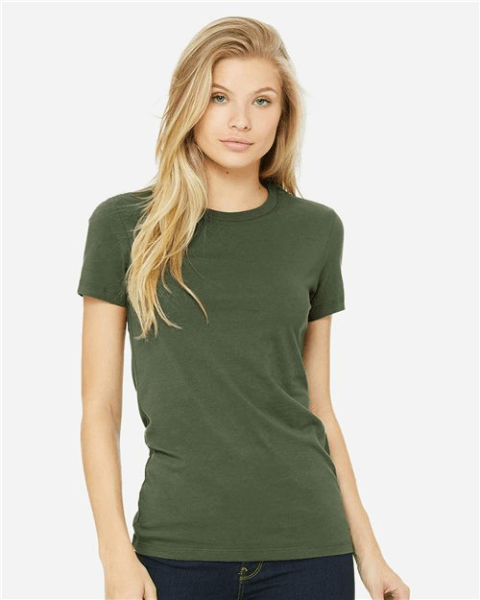
A strong DTG example is Bella + Canvas 6004 Women’s The Favorite Tee. Its smooth jersey surface allows ink to absorb evenly, producing sharp detail and a soft hand feel. This makes it well suited for fashion-forward designs and short-run projects.
DTG delivers excellent visual results. However, because ink sits within the fabric rather than forming a thicker surface layer, prints may fade sooner under heavy laundering. For flexibility and detail, DTG remains a smart option.
Heat transfer printing for flexible customization
Heat transfer printing uses heat and pressure to apply vinyl or printed transfers to garments. This approach offers speed and adaptability, making it useful for personalization and short-run customization.
Heat transfer methods require minimal setup and allow quick design changes. Durability depends on transfer quality, application technique, and garment care.
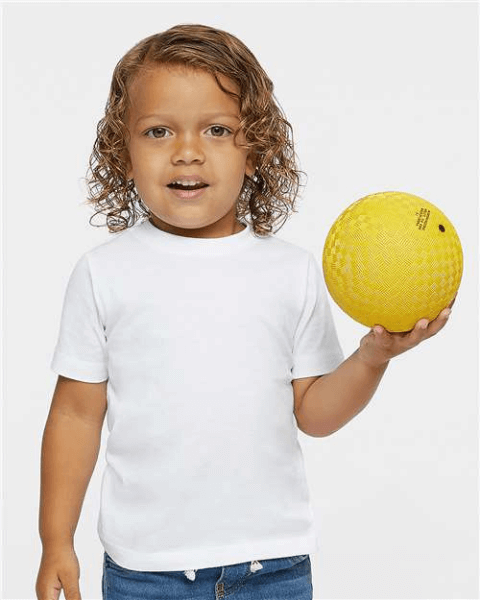
A practical example for this method is Rabbit Skins 3321 Toddler Fine Jersey Tee. Toddler garments often require small designs and name personalization. Heat transfer supports these needs efficiently when applied correctly.
That said, heat transfer generally does not last as long as screen printing. Edges may lift or crack over time, especially with frequent washing. For short-term use or personalized items, it remains a valuable tool.
Comparing durability across printing methods
When durability is the main consideration, differences become clear. Screen printing offers the longest lifespan. DTG provides solid durability with superior detail. Heat transfer trades longevity for flexibility.
Each method serves a purpose. The key is aligning expectations with performance.
Order size and printing efficiency
Order size heavily influences method selection. Small batches benefit from DTG and heat transfer because they avoid setup costs and allow rapid changes. These methods suit trend-driven projects and experimental runs.
Bulk apparel orders benefit from screen printing due to lower cost per unit and long-term consistency. Efficiency increases as quantity rises.
Aligning method with scale keeps production smooth and cost effective.
Fabric weight and performance expectations
Heavier cotton fabrics generally support longer-lasting prints. Lightweight fabrics require more precise curing and care.
Youth and toddler garments experience more frequent washing, making durability especially important. Choosing the right method early reduces premature wear.
Garment care and longevity
Proper care extends print life. Washing inside out, using cold water, and avoiding high heat drying help preserve designs.
Educating end users improves outcomes and reduces complaints.
Designing artwork with durability in mind
Artwork choices affect longevity. Solid shapes outperform thin lines. Simple color palettes last longer than complex gradients.
Placement matters. Avoid high-friction areas for detailed designs, especially on children’s apparel.
Choosing the right method for lasting results
When durability is the priority, screen printing remains the strongest option for wholesale shirt printing. DTG and heat transfer support flexibility, customization, and speed.
Matching printing method to order size, garment type, and use case ensures better results and fewer compromises.
Final thoughts on wholesale shirt printing
Wholesale shirt printing works best when durability is considered early. The right method protects investment, supports brand consistency, and improves long-term value.
The BulkApparel catalog supports every major printing technique, making it easier to plan production with confidence. When printing choices align with scale and fabric, custom shirts deliver performance well beyond the first wear.