
Wholesale Apparel Manufacturers Fight COVID-19
Find out how wholesale apparel manufacturers are helping to fight COVID-19. Through production, distribution, and donation, these companies are stepping up!
Summary:
– Apparel factories shifted from fashion garments to masks and protective textiles.
– Established supply chains enabled rapid production adjustments during shortages.
– The pandemic underscored the importance of flexible manufacturing and resilient sourcing.
Wholesale Apparel Manufacturers Help Fight COVID-19:
Hanes Brands Inc.
The first wholesale apparel manufacturer I want to talk about is Hanes. Hanes is one of the largest basic apparel manufacturers and thus has the means to give back. Earlier this month Hanes announced they would begin making masks for healthcare workers treating COVID-19. The basic apparel giant confirmed they would be retrofitting several of their factories located in South America to quickly produce face masks. In total, Hanes is predicted to produce over 320 million FDA approved reusable and washable 3-ply cotton face masks. Hanes Brand Inc. has also donated 2 million reusable masks to Louisiana and 6,500 N95 respirators to healthcare professionals in Forsyth County. Hanes is no newbie to helping the community and has shown great initiative in the fight against coronavirus.
Bella + Canvas

Bella + Canvas in their “Pledge to Give Back” has been bulk producing various masks and making large donations of face masks to high risk groups. They have begun donating their promised 1 million masks to organizations dealing with hospitals, homeless shelters, and healthcare workers. Bella + Canvas is working to donate 10,000 masks per week to the frontline workers. Furthermore, they are trying their best to accommodate as many as possible and even have a contact email [email protected] for those in urgent need of donated masks.
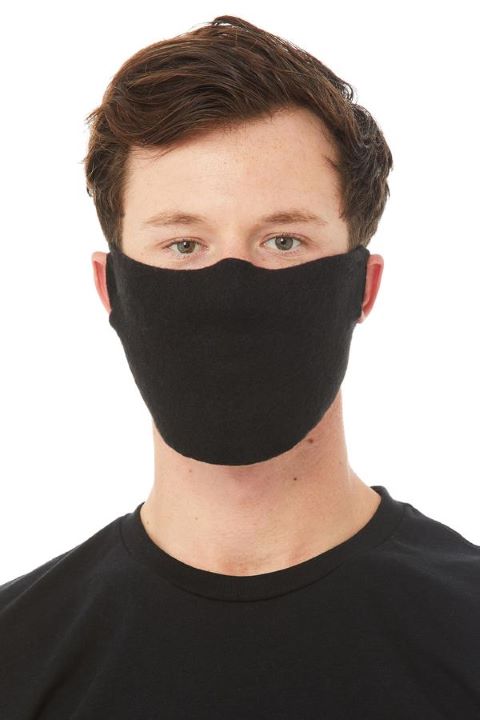
Currently they offer 3 different daily use reusable and washable masks at very affordable rates. These face masks vary from a very lightweight and breathable cotton to a thicker fleece material. Cotton face masks can easily be layered together for extra protection. Wholesale apparel manufacturers help fight COVID-19 so we can stay safe!
Gildan is yet another wholesale apparel giant joining the coalition to battle the coronavirus. Along with non-medical face masks, Gildan will also be producing isolation gowns for the growing demand among hospitals. In a statement regarding the current pandemic Gildan says, “Gildan is responding to needs caused by the pandemic. We want to ensure we especially give back to the communities in which we operate. These communities and their workforce are the heart of our business.”

Tultex, an apparel brand subsidiary of TSC Apparel, has redirected business to help mitigate the current shortage of face masks. Production will be devoted to making face masks for the healthcare industry. Tultex has a long history of helping the nation in times of crisis. “Since 1935, we have been stepping up to help our country in times of crisis. Our brand was an official supplier of sweatshirts to the U.S. Army during WWII. In this case, we want to help the healthcare workers in any way we can,” says the Tultex VP of merchandising and brand management. The brand is expected to produce 1-2 million masks per week. Although these masks will primarily go to hospitals, nursing homes, and other frontline workers, some will be available to consumers.
Gildan Apparel’s yarn spinning faction (Gildan Yarns) has helped their local community of Rockingham County by donating N95 masks to the county health agency. It’s great to see all these wholesale apparel manufacturers help fight covid-19 in their communities!
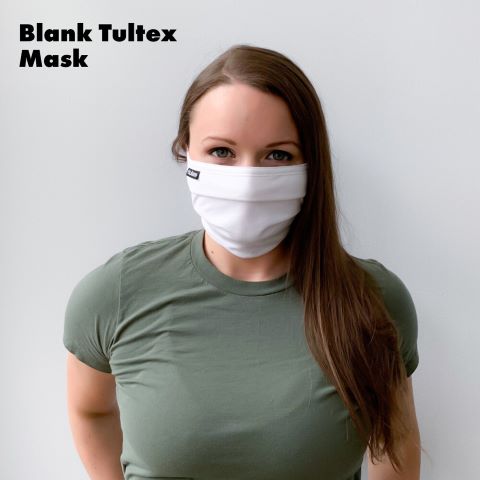
The face mask from Tultex is a reusable multi-ply 30 singles mask made from 100% U.S. cotton and is washable and breathable.
Port and Company
Port and Company has been doing their part by joining the coalition in the fight against coronavirus. This coalition has been working closely with the federal government to establish a steady supply chain of essential face masks. The Port and Company cloth face mask is a disposable single-ply face cover that is both breathable and lightweight. This is only meant for single use.
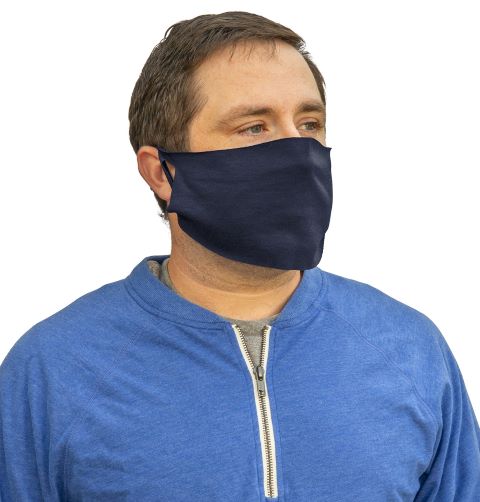
These bulk apparel manufacturers have shown tremendous can-do attitudes and effort in the fight against covid-19. We can all hope the end of this pandemic is near. Stay safe everyone!
FAQ
What types of products did apparel manufacturers produce during the pandemic?
Apparel manufacturers produced cloth face coverings, medical gowns, and other protective textiles during the pandemic. Existing expertise in fabric sourcing, cutting, and sewing enabled rapid adaptation from fashion apparel to essential protective gear.
How did COVID 19 affect the wholesale apparel industry?
COVID 19 affected the wholesale apparel industry by disrupting supply chains and reducing retail demand. At the same time, it created opportunities for manufacturers to diversify production and demonstrate flexibility in responding to public health needs.
Did apparel brands support frontline workers?
Apparel brands supported frontline workers by donating masks, gowns, and other supplies. Some companies also provided financial assistance and logistical support to hospitals and community organizations during peak periods of equipment shortages.
What long term changes did COVID 19 bring to wholesale manufacturing?
COVID 19 brought long term changes to wholesale manufacturing by emphasizing supply chain resilience and domestic production capacity. The experience highlighted the importance of flexibility, diversified sourcing, and the ability to adapt quickly to global disruptions.
How did wholesale apparel manufacturers respond to COVID 19?
Wholesale apparel manufacturers responded to COVID 19 by shifting production lines to create personal protective equipment such as face masks and protective garments. Many companies repurposed fabric inventory and manufacturing capacity to support healthcare facilities and essential workers during supply shortages.