

School Purchase Order How To Guide
Need purchase order help? Our School Purchase Order How To Guide makes it easier than ever. Plus Bulk Apparel is giving 10% off to all new P.O. customers!
Summary:
– Purchase orders provide budget control, documentation, and administrative accountability.
– Accurate itemization and authorized signatures are required for approval and fulfillment.
– Vendors review and reference the purchase order number when invoicing schools.

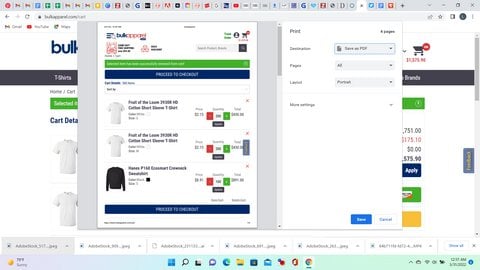
FAQ
What information is required on a school purchase order?
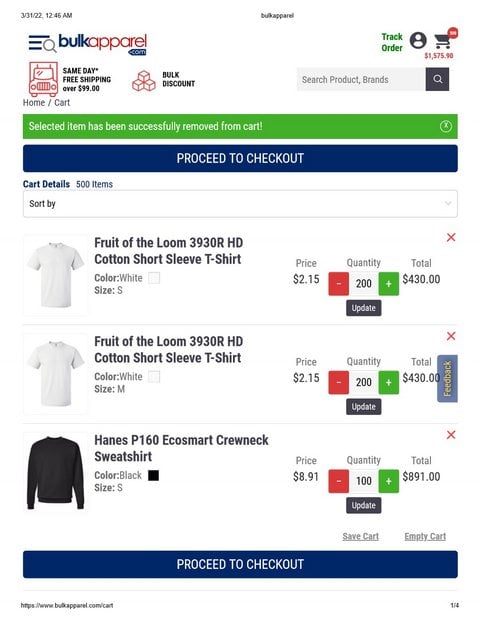
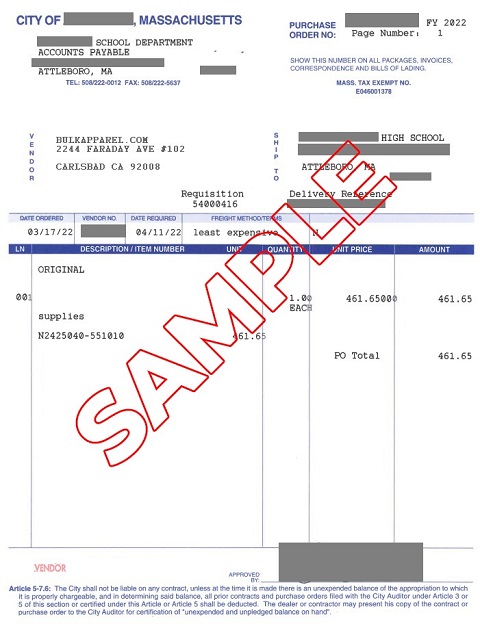
A school purchase order typically includes the school name, purchase order number, vendor information, itemized product list, quantities, pricing, tax status, shipping address, and authorized signatures. Accurate details help prevent delays and ensure correct fulfillment.
How does a vendor process a school purchase order?
A vendor processes a school purchase order by reviewing the document for accuracy, confirming inventory availability, and accepting the terms. Once approved, the vendor fulfills the order and submits an invoice referencing the purchase order number for payment processing.
Why do schools use purchase orders instead of paying upfront?
Schools use purchase orders to maintain financial accountability and adhere to district procurement policies. The purchase order system documents approvals, allocates budget funds, and creates a clear paper trail before payment is issued, which supports auditing and internal controls.
Can schools use purchase orders for tshirt orders?
Schools can use purchase orders for tshirt orders related to events, sports teams, clubs, or spirit wear. Wholesale apparel suppliers often accept purchase orders from verified institutions, allowing schools to order in bulk without immediate payment.
What should schools check before submitting a purchase order?
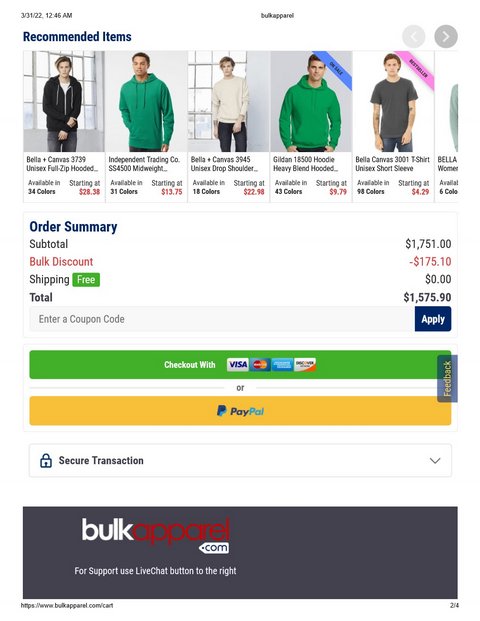
Schools should verify product specifications, sizes, quantities, pricing, shipping costs, and vendor acceptance of purchase orders before submission. Confirming these details reduces the risk of budget discrepancies, backorders, and administrative delays.