
What Causes Bleeds in Screen Printing?
Bleeding in screen printing can ruin a design, making it look sloppy and unprofessional. Whether you’re a beginner or an experienced printer, understanding the causes of ink bleed can help you avoid these common problems. In this article, we’ll break down the main reasons bleeds occur in screen printing and share tips for preventing them.
Summary:
– The article identifies key factors that cause screen printing bleeds, such as excessive ink, incorrect mesh tension, and fabric properties that allow ink to spread beyond intended design edges.
– It explains how substrate choice, print pressure, and improper curing contribute to bleed issues, helping decorators understand technical adjustments needed for cleaner results.
– The piece offers practical troubleshooting insights for wholesale apparel printers and decorators to reduce bleeds, improve print clarity, and maintain consistent quality across bulk custom orders.
Bleeding in screen printing can ruin a design, making it look sloppy and unprofessional. Whether you’re a beginner or an experienced printer, understanding the causes of ink bleed can help you avoid these common problems. In this article, we’ll break down the main reasons bleeds occur in screen printing and share tips for preventing them.
Incorrect Screen Mesh
The mesh of the screen plays a significant role in the printing process. If the mesh is too coarse, it will allow too much ink to pass through, which can cause it to bleed outside the design. On the other hand, too fine a mesh can make it hard for enough ink to pass through, resulting in a faint print that may not have the sharpness you want.
Solution: Choose the correct mesh count based on the type of design. A higher mesh count (such as 200-300 threads per inch) is ideal for detailed designs, while a lower mesh count (like 110 threads) works better for larger designs.
Excess Ink
Using too much ink on the screen is one of the primary causes of bleeding. When the ink is overloaded, it has a higher chance of spreading beyond the intended areas, resulting in blurred lines or edges that don’t look clean.
Solution: Apply ink sparingly and evenly. Make sure to use the right amount of ink for the screen mesh size. Also, avoid overloading the screen with ink, as this can lead to messy prints.
Incorrect Squeegee Pressure
Squeegee pressure is another key factor in screen printing. Too much pressure can force ink through the mesh too quickly, leading to smudging or bleeding. Insufficient pressure will result in an incomplete print, where the image looks faint and unclear.
Solution: Maintain even and moderate pressure on the squeegee to ensure a consistent print. Practice on test sheets before moving on to final products to get the right feel.
Poor Registration
When multiple colors are involved in screen printing, each color must be aligned properly on the garment. If the colors are misaligned (or “off register”), the ink may spread beyond its intended area and cause bleeding.
Solution: Use registration marks and make sure each layer of color is printed in the correct position. Double-check alignment before printing on the garment.
Low-Quality Emulsion
The emulsion used to coat the screen affects how well the design holds up during the printing process. If the emulsion is too thin or uneven, ink may leak through, causing unwanted bleeds.
Solution: Use high-quality emulsion and ensure it’s applied evenly across the screen. Follow the manufacturer’s instructions for the best results.
Environmental Factors
Temperature and humidity can significantly impact the screen printing process. High humidity can cause ink to dry slower, leading to smudging and bleeding. On the other hand, low temperatures can thicken the ink, making it harder to spread evenly.
Solution: Maintain a controlled environment for your screen printing setup. Use dehumidifiers or heaters as needed to stabilize the conditions, ensuring consistent results regardless of external weather changes.
Improper Curing
Curing is the process of drying the ink to ensure it adheres properly to the fabric. If the ink is not cured properly, it can lead to bleeding and fading over time.
Solution: Use a heat press or conveyor dryer to cure the ink at the recommended temperature and duration. Make sure to test the curing process on sample prints to verify the results before mass production.
Suggested Blank Shirts for Screen Printing from BulkApparel
Choosing the right blank apparel garment is just as important as the printing technique itself. Below are some suggested blank shirts from Bulk Apparel that work well for screen printing and can help you avoid issues like ink bleed.
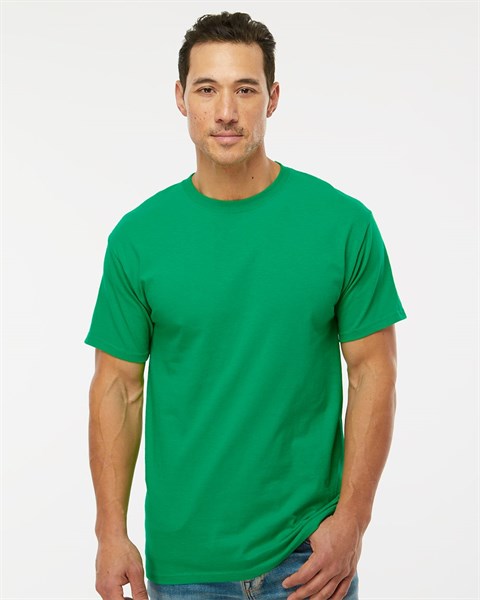
M&O 4800 Gold Soft Touch T-Shirt This wholesale shirt offers a luxurious soft touch and a smooth surface that enhances the clarity of detailed prints. Its high-quality cotton fabric ensures excellent ink absorption, reducing the risk of bleed and delivering sharp, vibrant designs.
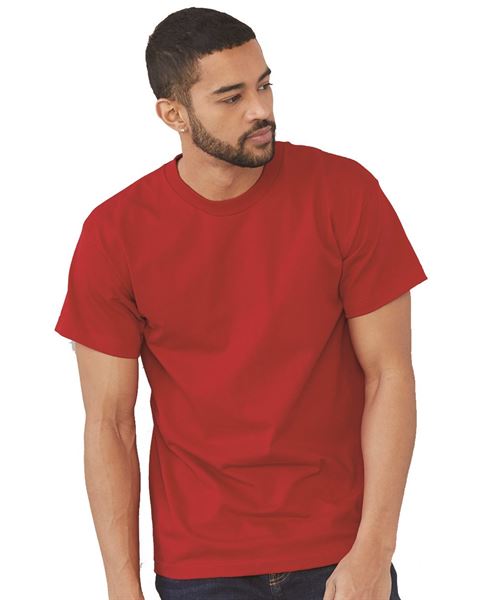
Bayside 5100 USA-Made Short Sleeve T-Shirt Proudly made in the USA, this durable blank t-shirt is crafted from 100% cotton, providing a sturdy and consistent surface for screen printing. The tightly woven fabric minimizes ink spread, making it ideal for crisp and clean designs.
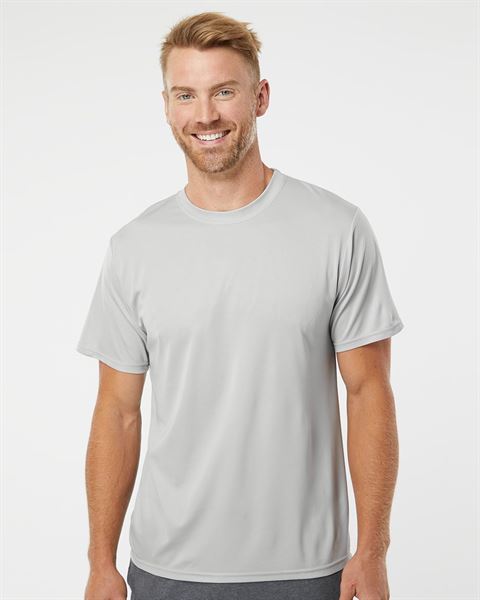
Augusta Sportswear 790 Performance T-Shirt Designed for wholesale activewear, this performance t-shirt features moisture-wicking properties and a smooth polyester surface. Its quick-drying fabric helps prevent ink bleed and ensures vibrant, long-lasting prints, even with intricate designs.
Ink bleed is a common challenge in screen printing, but with a little knowledge and the right materials, it can be prevented. By using the correct mesh count, applying the right amount of ink, controlling squeegee pressure, ensuring proper registration, and using quality emulsion, you can achieve clean, sharp prints every time.
For those looking to source blank shirts for their screen printing projects, BulkApparel offers a wide selection of high-quality, wholesale shirts, blank hoodies, wholesale jackets, and other blank apparel. Whether you need durable options for a small batch or larger production, Bulk Apparel provides reliable, affordable products that are perfect for your screen printing needs.
Live Screen Printing: A Dynamic Experience for Your Next Event
Don’t forget to shop our Winter Essentials for all your screen printing and design needs!
FAQ
What typically causes ink bleeds in screen printing on bulk apparel?
Ink bleeds in screen printing occur when ink spreads beyond the intended design edges due to excess ink deposit, low mesh tension, or improper curing. In wholesale and bulk custom printing, even small setup inconsistencies can multiply across large runs, making bleed prevention critical for consistent branding.
How does ink type influence screen printing bleed risks?
Ink viscosity and formulation affect how easily ink spreads on fabric surfaces. Using the correct ink for the garment type such as low-bleed inks for polyester helps to maintain clean edges and consistent quality across wholesale production runs.
Are certain garment types more prone to bleeding in screen printing?
Polyester and blended fabrics can be more prone to dye migration, which may appear as bleeding. Choosing appropriate low-bleed inks and high-quality blanks helps minimize this risk for teamwear and performance apparel programs.
Can improper curing cause screen printing bleeds in teamwear and resale programs?
Yes, improper curing can lead to ink migration or smudging that resembles bleeding. For businesses handling uniforms, resale merchandise, or branded apparel, maintaining correct temperature and dwell time ensures ink sets properly and prevents post-production defects.
Where can decorators source reliable blank garments to reduce screen printing issues?
Decorators can source consistent, print-ready blanks from trusted wholesale suppliers like BulkApparel, which offers dependable sizing and fabric specifications. Reliable garment quality supports cleaner prints and fewer bleed-related defects in bulk customization projects.