
Fruit of the Loom: The Story that Makes History
Just what has gone into this brand to make it the recognizable wholesale clothing giant of today? Beginning in 1851, Fruit of the Loom has made a name for itself among large corporations and small businesses alike. From humble beginnings to innovative brand expansions, the company prides itself on keeping social responsibility at the forefront. … Read More
Summary:
– Fruit of the Loom originated in 1851 as a textile business in Rhode Island and grew into a globally recognized apparel brand known for comfort, quality, and broad clothing offerings including tees and casualwear.
– The brand’s iconic fruit logo was established in the late 1800s and its evolution into ready-to-wear apparel, including innovative marketing and product expansion, helped cement its place in the wholesale apparel market.
– Today Fruit of the Loom operates as a subsidiary of Berkshire Hathaway, maintaining a legacy of accessible everyday apparel while emphasizing quality, social responsibility, and ongoing brand relevance.

From the Start
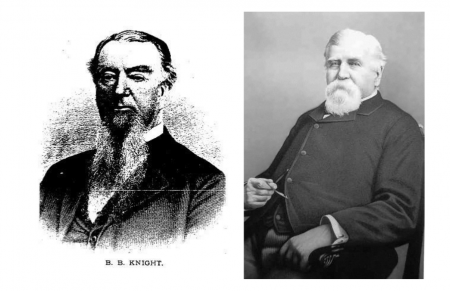
The brand was born in Rhode Island in 1851 to two brothers: Benjamin and Robert Knight. Fruit of the Loom was originally called the B.B. and R. Knight Corporation. Rufus Skeel sold cloth to the young company, having his daughter paint apples on some of their bolts of fabric. It turned out that the apple design was the most popular and the name Fruit of the Loom came about. It was granted trademark not long after, making it one of the oldest trademarked names.
During this time, men and women were producing their own clothing. So, Fruit of the Loom’s textiles were in high demand. Their brand recognition spread, and they soon began to be regarded as the best place to obtain textiles. The rise of the twentieth-century gave way to large manufacturers who could produce already-made clothing options. This led to a drop in the textiles industry but did not slow down Fruit of the Loom.
Later, a licensee who ran Union Underwear began changing the game for undergarments. Packaging, which is normal to see today, was first created by Fruit of the Loom and Union Underwear. Around 1975 is when the “Fruit Guys” made their television debut. Three men dressed as fruit appeared on televisions across the nation, advertising the manufacturer’s underwear.
From Underwear Manufacturer to Apparel Company

One of the biggest changes Fruit of the Loom went through was their shift from being primarily an underwear manufacturer to creating apparel. They noticed the shift away from the textiles industry and wanted to focus more on casual attire and athletic wear. It began branching-out by expanding product lines and purchasing other brands. Fruit of the Loom acquired Salem Sportswear, Pro Player, and Gitano Group.
Where Are They Today?
 Much like many big names, Fruit of the Loom has faced trials and difficulties. However, they have always come out on top and used their setbacks as learning opportunities. Today, they are a leader in wholesale apparel. They expanded their brand, recreated their products, and stayed true to their moral code. When Fruit of the Loom sensed the changing tides, they adapted. One of these adaptations included recognizing the demand for athletic apparel and products. Athletic brands that have been acquired by Fruit of the Loom include well-known brands such as Spalding and Russel Athletics. Both brands embody a strong presence in the community and social responsibility.
FAQ
What is the Fruit of the Loom origin story?
Fruit of the Loom dates back to 1851, when brothers Robert and Benjamin Knight founded a textile mill in Rhode Island. The brand name was inspired after fruit illustrations were painted on fabric bolts, helping the company stand out in the early textile market.
How did Fruit of the Loom get its iconic fruit logo?
The iconic Fruit of the Loom fruit logo emerged in the late 1800s after fruit artwork was used to identify the company’s fabric. It became one of the first registered trademarks in the United States in 1871, establishing long-term brand recognition.
When did Fruit of the Loom expand into apparel?
Originally a textile manufacturer, Fruit of the Loom apparel expanded into ready-to-wear products like underwear and casual clothing during the 20th century. This shift helped the brand grow beyond fabric production into everyday essentials.
What is Fruit of the Loom known for today?
Today, Fruit of the Loom is known for producing comfortable, affordable basics such as T-shirts, underwear, and fleece apparel. The brand is widely available through Fruit of the Loom wholesale channels for businesses, resellers, and bulk buyers.