

Minimize Waste in Screen Printing: A Guide to Ink and Product Conservation
Screen printing is a popular method for customizing blank t-shirts, wholesale hoodies, and other blank apparel. However, it can also be a wasteful process, especially if not done efficiently. By implementing a few strategies, you can significantly reduce ink and product waste, making your screen printing operation more sustainable and cost-effective. This is how to minimize waste in screen printing.
Summary:
– The article explains how minimizing waste in screen printing improves cost efficiency by reducing excess ink usage, garment spoilage, and production errors during bulk custom apparel runs.
– It outlines practical strategies such as accurate ink estimation, proper press setup, garment compatibility testing, and equipment maintenance to conserve materials and maintain print quality.
– Efficient wholesale apparel sourcing and better inventory planning support sustainable screen printing operations while protecting profit margins for decorators and custom apparel businesses.

Screen printing is a popular method for customizing blank t-shirts, wholesale hoodies, and other blank apparel. However, it can also be a wasteful process, especially if not done efficiently. By implementing a few strategies, you can significantly reduce ink and product waste, making your screen printing operation more sustainable and cost-effective. This is how to minimize waste in screen printing.
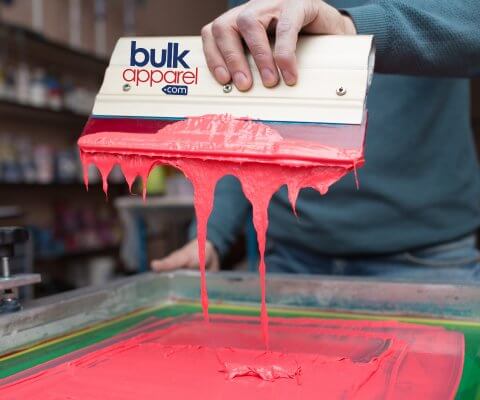
1. Accurate Artwork Preparation: Minimize Waste in Screen Printing
- Vector Graphics: Ensure your artwork is in vector format (e.g., AI, EPS) for precise outlines and scaling. This will prevent pixelation and ensure clean, sharp prints.
- Color Reduction: Simplify your design to reduce the number of colors used, as each color requires a separate screen. Consider using a color palette that is easy to reproduce and avoids complex color combinations.
- Screen Size Optimization: Choose the appropriate screen size for your design to avoid unnecessary ink consumption. A larger screen than necessary will waste ink and time.
2. Efficient Ink Handling:
- Proper Storage: Store ink in a cool, dark place to maintain its quality and prevent drying. Exposure to light and heat can cause ink to degrade and become unusable.
- Regular Cleaning: Clean screens and squeegees thoroughly after each use to prevent ink buildup and ensure smooth application. Use a specialized screen cleaning solution to remove stubborn ink residues.
- Ink Recycling: Consider using recycled or environmentally friendly inks whenever possible. Many ink manufacturers offer eco-friendly options that have a lower environmental impact.
3. Precise Screen Alignment:
- Registration Marks: Use registration marks on your artwork and screens to ensure accurate alignment and prevent misprints. Registration marks are small marks placed around your design that help align the screen with the garment.
- Clamping System: Use a reliable clamping system to hold your screens securely in place during printing. A sturdy clamping system will prevent the screen from shifting, ensuring accurate alignment and reducing waste.
4. Optimal Ink Application:
- Squeegee Technique: Use the correct squeegee technique to apply ink evenly and avoid over-inkage. A proper squeegee technique involves applying even pressure and using the correct angle.
- Flash Curing: Use flash curing units to dry ink between coats, reducing the risk of smudging and waste. Flash curing units use intense heat to quickly dry the ink, allowing you to apply additional coats without worrying about smudging.
5. Quality Control:
- Regular Inspections: Inspect printed garments for defects like misprints, uneven ink coverage, or fading. Regular inspections will help you identify and address any issues before they become more serious.
- Rework or Discard: If a garment is significantly damaged, rework it if possible or discard it to avoid further waste. If a garment can be reworked, it’s often more cost-effective than discarding it.
6. Inventory Management:
- Accurate Forecasting: Estimate demand for different products and colors to avoid overproduction. By accurately forecasting demand, you can minimize excess inventory and reduce waste.
- Just-In-Time Inventory: Consider a just-in-time inventory system to minimize excess stock. This involves ordering materials as needed, rather than stocking up on large quantities.
7. Recycling and Upcycling:
- Leftover Ink: Recycle leftover ink or donate it to local art schools or community centers. Many ink manufacturers have recycling programs that allow you to return empty ink cartridges for proper disposal.
- Unsold Garments: Donate unsold garments to charities or repurpose them for other uses. Consider upcycling unsold garments into new products or using them for promotional purposes.
By implementing these strategies, you can significantly reduce ink and product waste in your screen printing operation. Not only will you save money, but you’ll also contribute to a more sustainable and environmentally friendly industry. It’s important for many reasons to try and minimize waste in screen printing as much as possible.
Elevate your screen printing business with Bulk Apparel distributor, your one-stop shop for top-quality wholesale shirts and basic apparel! They offer a vast collection of blank shirts, bulk sweatshirts, wholesale tank tops, and more in a wide range of blank styles, sizes, and colors. This variety ensures you have the perfect canvas for any client’s vision, whether it’s a classic crewneck for a corporate event or a trendy crop top for a bachelorette party. Our BulkApparel commitment to quality guarantees consistent results, minimizing printing issues and maximizing customer satisfaction. Our cheap competitive pricing allows you to maintain healthy profit margins while offering your clients attractive prices. Additionally, Bulk Apparel boasts reliable and fast shipping, so you can meet tight deadlines and keep your business running smoothly. Partner with BulkApparel for exceptional wholesale blank apparel and exceptional service – the perfect foundation for your screen printing success. And of course let’s minimize waste in screen printing.
Don’t forget to treat yourself to spooky deals at bulkapparel.com!
Want to learn how to ombre tie-dye?
FAQ
Why is minimizing waste important for screen printing businesses handling bulk orders?
Minimizing waste in screen printing reduces ink costs, lowers garment spoilage, and improves overall production efficiency. For businesses managing wholesale custom apparel orders, controlling material waste directly protects profit margins and supports sustainable production practices.
How can decorators reduce ink waste during large screen printing runs?
Ink waste can be reduced by accurately estimating ink usage, properly reclaiming excess ink, and maintaining correct mesh counts and squeegee pressure. For bulk production, consistent press setup and test prints on sample garments help prevent costly over-application or misprints.
What role does garment selection play in reducing product waste?
Choosing high-quality, print-compatible blanks minimizes misprints and fabric-related ink issues. Wholesale buyers sourcing reliable cotton or performance garments from trusted suppliers help ensure smoother production runs and fewer rejected pieces.
Are there sustainable ink options that support waste reduction?
Yes, water-based and eco-conscious inks can reduce environmental impact while maintaining print quality. Screen printing businesses focused on sustainability can combine responsible ink selection with efficient production techniques to minimize both material and environmental waste.
Does equipment maintenance affect ink and product conservation?
Yes, properly maintained screens, presses, and curing units prevent ink flooding, under-curing, and misalignment. Regular equipment checks improve consistency and reduce material waste during high-volume wholesale apparel production.